
When is Passover 2026?
Key Dates and What You Need to Know
Passover, the beloved Festival of Freedom, marks the beginning of the Jewish spring holiday season and commemorates one of the most defining moments in Jewish history. Whether you’re planning your Seder meals, preparing for the great chametz purge, or simply want to mark your calendar for this important celebration, knowing the exact dates for Passover 2026 is essential. In this guide, we’ll provide everything you need to know about Passover 2026, its profound significance, and how this spring festival connects to the complete cycle of Jewish holidays throughout the year.
Passover 2026 Dates: Mark Your Calendar
Passover 2026 begins at sundown on Wednesday, April 1, and ends at nightfall on Thursday, April 9, 2026.
As with all Jewish holidays, Passover begins at sundown the evening before the calendar date. The celebration actually starts on the evening of Wednesday, April 1, 2026. In Israel, Passover is observed for seven days, concluding at nightfall on Wednesday, April 8. Jews in the Diaspora observe eight days, concluding at nightfall on Thursday, April 9, 2026.
The first two days and last two days of Passover (in the Diaspora) are considered full festival days (Yom Tov) when observant Jews refrain from work. The intermediate days, known as Chol HaMoed, have a semi-festive status.
Passover 2026 Seder Dates
The Passover Seder—the elaborate ritual meal that retells the story of the Exodus—takes place on the first two nights of Passover (just the first night in Israel):
- First Seder: Wednesday night, April 1, 2026
- Second Seder: Thursday night, April 2, 2026 (Diaspora only)
Understanding the Jewish Calendar
Passover always begins on the 15th day of Nisan, the first month of the Jewish calendar’s spring season. Because the Jewish calendar is lunisolar—based on both lunar months and the solar year—Passover shifts each year relative to the Gregorian calendar. The holiday typically falls in March or April, always coinciding with the first full moon after the spring equinox.
The Jewish calendar includes leap years with an additional month (Adar II) to ensure that Passover always occurs in the spring, as biblically mandated. This careful calibration connects the festival to both its historical roots and the agricultural cycle of the Land of Israel.
What is Passover?
Passover (Pesach in Hebrew) is one of Judaism’s Three Pilgrimage Festivals, along with Shavuot and Sukkot. It commemorates the Exodus of the Israelites from slavery in Egypt—a foundational narrative that shapes Jewish identity, theology, and practice to this day.
The name “Passover” refers to G-d “passing over” the homes of the Israelites during the tenth plague, when the firstborn of Egypt were struck down. The Israelites had marked their doorposts with lamb’s blood as a sign of their faith, and their homes were spared.
Key Passover Traditions
The Seder: The highlight of Passover is the Seder meal, held on the first night (or first two nights in the Diaspora). Families gather to retell the Exodus story through the Haggadah, eat symbolic foods, drink four cups of wine, and celebrate freedom. The youngest child traditionally asks the Four Questions, prompting the evening’s narrative.
Matzah: For all eight days, Jews eat matzah (unleavened bread) as a reminder of the haste with which the Israelites fled Egypt—they had no time for their bread to rise. Matzah is sometimes called “the bread of affliction” and serves as a tangible connection to the slavery experience.
Removing Chametz: Before Passover begins, Jewish homes undergo a thorough cleaning to remove all chametz (leavened products). This includes bread, pasta, cookies, beer, and anything made with wheat, barley, oats, spelt, or rye that has been allowed to rise. Many families conduct a ceremonial search for chametz the night before Passover.
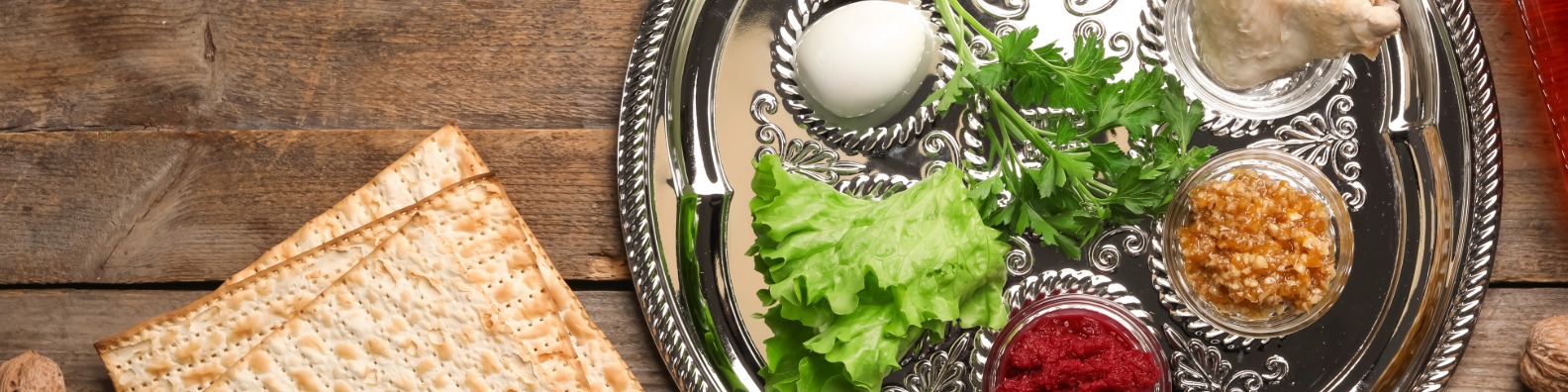
The Seder Plate: This special plate holds symbolic foods including maror (bitter herbs) representing the bitterness of slavery, charoset (a sweet mixture of fruit, nuts, and wine) representing the mortar used by enslaved Jews, a roasted shankbone, a roasted egg, karpas (a green vegetable), and more.
Passover and Sukkot: A Sacred Connection
Passover and Sukkot share a profound connection as bookends of the Jewish historical narrative. While Passover celebrates the dramatic moment of liberation from Egypt, Sukkot commemorates the forty years of wandering in the wilderness that followed—the journey between slavery and the Promised Land.
Both festivals are among the Shalosh Regalim, the Three Pilgrimage Festivals when Jews historically traveled to the Temple in Jerusalem. This shared status reflects their equal importance in the Jewish calendar and their complementary spiritual messages.
From Exodus to Wilderness: The Complete Journey
The Exodus story doesn’t end when the Israelites cross the Red Sea. After leaving Egypt, they spent forty years dwelling in temporary shelters in the wilderness, sustained by divine protection and provision. This is precisely what Sukkot commemorates: “You shall dwell in booths for seven days… so that your generations may know that I made the Israelites dwell in booths when I brought them out of the land of Egypt” (Leviticus 23:42-43).
When you sit at your Passover Seder and retell the story of leaving Egypt, you’re experiencing the beginning of a journey. When you dwell in a sukkah six months later, you’re commemorating the continuation of that same journey—the years of wandering that transformed a group of freed slaves into a nation prepared to enter the Promised Land.
Themes of Dwelling and Freedom
Both holidays invite us to physically embody our ancestors’ experiences. At Passover, we eat matzah and bitter herbs to taste slavery and hurried freedom. At Sukkot, we leave the comfort of our homes to dwell in temporary outdoor structures, experiencing the vulnerability and faith of our ancestors in the wilderness.
This experiential dimension sets these festivals apart. They don’t merely ask us to remember—they ask us to relive. The matzah on your Seder plate and the sukkah in your backyard are portals through which we connect with generations past and future.
Planning Your Jewish Holiday Year
Passover in early April signals the beginning of the spring and summer festival season. Here’s how Passover 2026 fits into the broader Jewish calendar:
- Passover 2026: April 1-9 (the Exodus from Egypt)
- Shavuot 2026: May 21-23 (receiving the Torah at Mount Sinai)
- Rosh Hashanah 2026: September 12-13 (Jewish New Year)
- Yom Kippur 2026: September 21 (Day of Atonement)
- Sukkot 2026: September 26 – October 2 (dwelling in booths)
For many families, early spring is the perfect time to begin planning for the fall holiday season. If you’re considering purchasing a new sukkah kit or upgrading your sukkah decorations, the months following Passover provide ample time to research options and make decisions before the High Holiday rush begins.
Passover 2026: Preparing for the Festival
As Passover 2026 approaches, here are some key preparation considerations:
Weeks Before:
- Begin cleaning and removing chametz from your home
- Plan your Seder menu and guest list
- Order matzah, wine, and other Passover necessities
- Prepare or purchase a Haggadah for each guest
Days Before:
- Complete the chametz search (bedikat chametz) the night before Passover
- Burn remaining chametz the morning before the Seder
- Prepare the Seder plate and symbolic foods
- Set a beautiful table for your guests
During the Holiday:
- Attend Seder meals on the first two nights
- Enjoy matzah and Passover-friendly foods throughout the week
- Attend synagogue services, especially for Yizkor on the last day
- Take time to reflect on themes of freedom and redemption
Looking Ahead: From Passover to Sukkot
As you celebrate Passover 2026 and retell the story of the Exodus, consider how this ancient narrative continues six months later at Sukkot. The temporary booth in your backyard becomes a direct link to the shelters your ancestors inhabited in the wilderness—the very journey that began on that first Passover night in Egypt.
At The Sukkah Project®, we’re honored to help families continue this sacred journey. From our easy-to-assemble sukkah kits to our beautiful decorations and accessories, we provide everything you need to create meaningful Sukkot celebrations that honor the complete story of Jewish freedom.
Chag Pesach Sameach! May your Passover 2026 be filled with freedom, family, and faith—and may it inspire you to continue the journey all the way to Sukkot.
