
When is Shavuot 2026?
Key Dates and What You Need to Know
Shavuot, the Festival of Weeks, is one of Judaism’s three major pilgrimage festivals—and it arrives just a few months before Sukkot each year. Whether you’re planning synagogue attendance, preparing to decorate with greenery, or simply want to mark your calendar for this beautiful celebration, knowing the exact dates for Shavuot 2026 is essential. In this guide, we’ll provide everything you need to know about Shavuot 2026, its significance, and how it connects to the complete cycle of Jewish festivals throughout the year.
Shavuot 2026 Dates: Mark Your Calendar
Shavuot 2026 begins at sundown on Thursday, May 21, and continues through Saturday, May 23, 2026.
As with all Jewish holidays, Shavuot begins at sundown the evening before the calendar date. So the celebration actually starts on the evening of Thursday, May 21, 2026. In Israel, Shavuot is observed for one day (concluding at nightfall on Friday, May 22), while Jews in the Diaspora observe two days, concluding at nightfall on Saturday, May 23, 2026.
Both days of Shavuot (in the Diaspora) are considered full festival days (Yom Tov) when observant Jews refrain from work and focus on prayer, Torah study, and celebration.
What is Shavuot?
Shavuot, which translates to “weeks” in Hebrew, marks the culmination of the 49-day Counting of the Omer that begins on the second night of Passover. The name refers to the seven weeks between Passover and this joyous festival.
Shavuot carries two profound layers of meaning:
Historical Significance: Shavuot commemorates the giving of the Torah at Mount Sinai, making it one of the most spiritually significant days in the Jewish calendar. It celebrates the moment when the Jewish people received the foundation of their faith and entered into an eternal covenant with G-d.
Agricultural Significance: In ancient Israel, Shavuot marked the wheat harvest and the offering of the first fruits (bikkurim) at the Temple in Jerusalem. Farmers would bring their finest produce to express gratitude for the land’s bounty.
How is Shavuot Celebrated?
Shavuot traditions are rich and varied:
- All-Night Torah Study (Tikkun Leil Shavuot): Many communities stay up all night studying Torah, a custom rooted in the tradition that the Israelites overslept on the morning they were to receive the Torah.
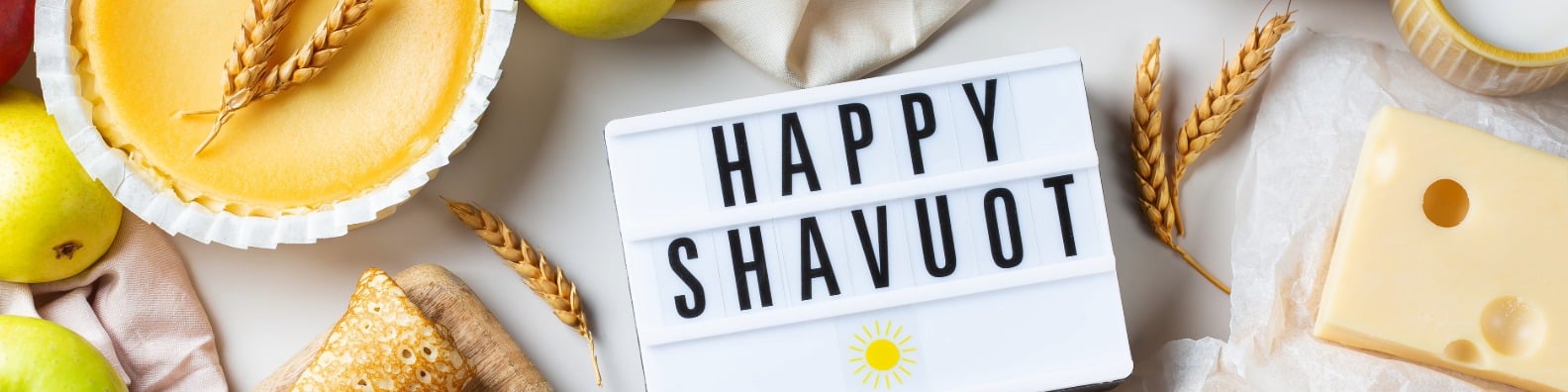
- Dairy Foods: Shavuot is famous for its dairy meals, including cheesecake, blintzes, and other delicious dairy dishes. Several explanations exist for this tradition, including that the newly-received kosher laws made it simpler to prepare dairy foods immediately.
- Reading the Book of Ruth: The biblical Book of Ruth, which takes place during the harvest season and tells the story of a righteous convert, is traditionally read on Shavuot.
- Decorating with Greenery: Homes and synagogues are often decorated with flowers and plants, recalling Mount Sinai, which according to tradition was covered in greenery when the Torah was given.
- Confirmation Ceremonies: Many Reform and Conservative congregations hold confirmation ceremonies for teenagers on Shavuot, connecting the holiday’s theme of receiving Torah with the next generation’s commitment to Jewish learning.
The Three Pilgrimage Festivals: From Shavuot to Sukkot
Shavuot is one of the Shalosh Regalim—the three pilgrimage festivals when, in ancient times, Jews would travel to Jerusalem to celebrate at the Temple. Understanding how these festivals connect creates a beautiful picture of the Jewish year:
Passover (Pesach): Celebrates physical freedom from Egyptian slavery. The journey begins.
Shavuot: Celebrates spiritual freedom through receiving the Torah. The journey has purpose.
Sukkot: Celebrates G-d’s protection and provision during the wilderness journey. The journey finds its dwelling place.
Together, these three festivals tell the complete story of Jewish nationhood—from liberation, to revelation, to the journey home. When you celebrate Shavuot, you’re already on the path toward Sukkot!
From Shavuot to Sukkot 2026: Planning Ahead
After Shavuot 2026 ends in late May, the summer months provide the perfect opportunity to prepare for the fall holiday season. Here’s what’s ahead on the Jewish calendar:
- Rosh Hashanah 2026: Begins at sundown on Friday, September 11, 2026
- Yom Kippur 2026: Begins at sundown on Sunday, September 20, 2026
- Sukkot 2026: Begins at sundown on Friday, September 25, 2026
This means you’ll have approximately four and a half months between Shavuot and Sukkot—plenty of time to plan your sukkah!
Why Think About Sukkot Now?
While Shavuot celebrates receiving the Torah, Sukkot celebrates living it—dwelling in temporary booths as our ancestors did, connecting with nature, family, and community. Many families find that planning ahead for Sukkot makes the holiday far more meaningful and less stressful.
The summer months between Shavuot and the High Holidays are ideal for:
- Ordering your sukkah kit: Purchasing your sukkah kit early ensures you have exactly what you need before the autumn rush. Whether you’re looking for an 8×12 sukkah for family gatherings or a larger 12×24 sukkah for hosting guests, summer is the best time to order.
- Planning your schach: High-quality bamboo schach mats go quickly each season. Ordering in advance means you won’t be scrambling at the last minute.
- Considering decorations: Many families involve children in creating sukkah decorations over the summer. Browse our sukkah decorations for inspiration.
- Preparing for the Four Species: Plan ahead to order your lulav and etrog set so you’re ready to fulfill this beautiful mitzvah.
Conclusion
Shavuot 2026 (May 21-23) offers a beautiful opportunity to celebrate the gift of Torah and reconnect with Jewish tradition. As you mark your calendar for this meaningful festival, remember that it’s just the beginning of an incredible journey through the Jewish year—one that leads through the introspective High Holidays and into the joyous celebration of Sukkot.
Whether you’re planning a night of Torah study, preparing a delicious dairy feast, or simply learning more about this ancient festival, Shavuot reminds us that every step in the Jewish calendar brings us closer to celebrating the full richness of our traditions.
Ready to start planning for Sukkot 2026? Visit sukkot.com to explore our complete collection of sukkah kits, schach, decorations, and everything you need to make this year’s Festival of Booths your most memorable yet.

One Response