
Can You Use a Pergola, Gazebo, or Pop-Up Canopy as a Sukkah? What Makes It Kosher (and What to Buy Instead)
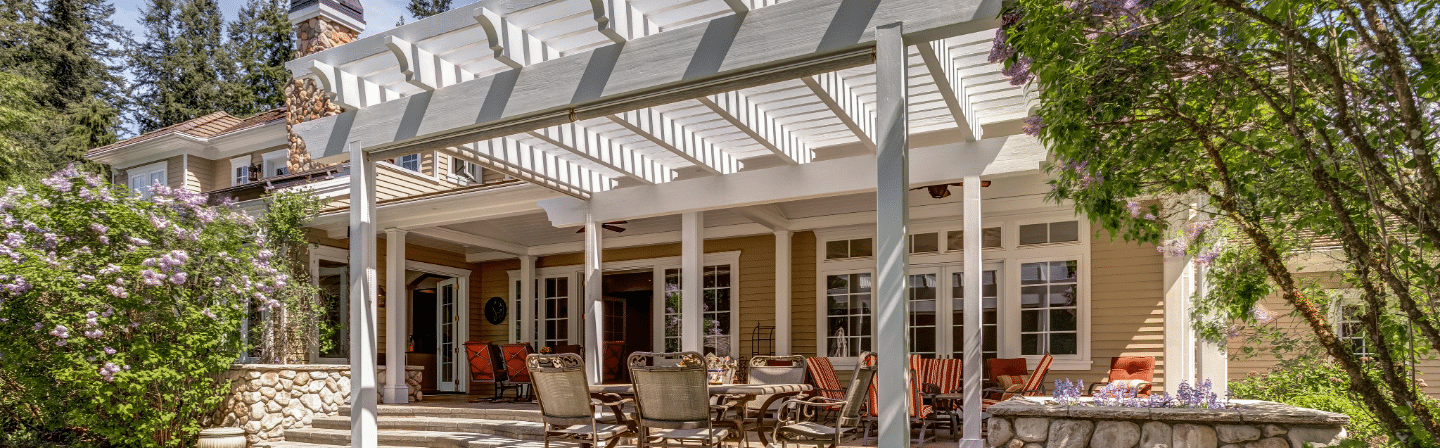
Every September we get some version of this phone call: “I already have a pergola over the patio—can I just throw bamboo on top and call it a sukkah?” Sometimes it’s the gazebo version. Increasingly it’s the pop-up canopy version: there’s a 10x10 EZ-Up in the garage left over from a soccer tournament, and Sukkot suddenly looks a lot cheaper.
These are good questions, and the answers are more encouraging than most people expect. A pergola is often most of a kosher sukkah already. A gazebo usually isn’t, for one specific reason. A pop-up canopy can work, but almost never in the form it comes out of the bag. Here’s how to tell which situation you’re in—and what to do about it.
Start With the Four Things That Actually Matter
Before we talk about any particular structure, it helps to know what you’re grading it against. A sukkah has to clear four basic bars:
- Walls. At least two full walls plus a partial third, sturdy enough not to flap in an ordinary wind. (More on the wind issue below—it’s where most improvised sukkahs fail.)
- Height. At least 10 tefachim tall (roughly 40 inches) and no more than 20 amot (about 30 feet). Nearly every backyard structure lands comfortably in between.
- A roof of kosher schach. Plant material, cut from the ground, unprocessed into a vessel, giving more shade than sun—and placed there by you, for the sukkah.
- Open sky above. Nothing overhanging the schach: no tree limbs, no eaves, no second-story balcony, no permanent roof.
If you want the full rundown with measurements, see our guide to the minimum requirements for a sukkah and our post on the minimum number of walls.
Pergolas: Usually the Best Candidate
A pergola is essentially a sukkah frame that someone already built and stained. Posts, beams, open top, no roof. Which is why the answer to “can you use a pergola as a sukkah” is, most of the time, yes—with a few adjustments.
Here’s what to check:
- The slats are not your schach. This is the big one. Schach has to be placed for the purpose of the mitzvah, not simply be sitting there from a patio project three summers ago. Beams that are bolted, screwed, or nailed into the frame raise a further question, since they’re now part of a fixed structure. The clean, universally accepted solution is to stop thinking of the pergola as a roof and start thinking of it as a frame: lay fresh, kosher schach across the top before the holiday. Problem solved, no debate required.
- Watch the beam width. Very wide roof boards are problematic as schach in their own right. A useful practical rule from the poskim: the open gaps between the beams should be at least as wide as the beams themselves. Most decorative pergolas easily pass; solid-slat “louvered” pergolas do not.
- Louvered or motorized pergolas need to open—and stay open. An adjustable-louver roof that closes over your schach is a roof. Fine to own; just make sure the louvers are fully open and can’t be closed for the duration, and that they aren’t so wide that they invalidate what’s under them.
- Vines and wisteria have to go. Anything still rooted in the ground is invalid as schach and also blocks the sky above your schach. Cut it back before Sukkot.
- Metal pergolas need a wood layer. If the crossbeams are aluminum or steel, the preferred practice is to lay unfinished wood slats or bamboo poles across them and rest the schach on those, so the schach is held up by material that is itself kosher for schach. Aluminum-framed sukkahs are widely used and relied upon, but the wood-slat layer is easy, cheap, and removes the question. Related reading: Can Schach Rest on Plastic?
- Check what’s overhead. Pergolas get built up against the house, under the shade of the very oak tree that made shade desirable in the first place. Any portion of your schach that sits under an eave or a branch doesn’t count toward your coverage.

Gazebos: Usually the Hardest Case
Gazebos are charming and they are, unfortunately, defined by the one feature a sukkah can’t have: a permanent roof. Shingles, a metal cap, a hardtop panel, a cupola—whatever it is, it has to come off, and on most gazebos it isn’t designed to.
Your options, in order of how often they actually work:
- Soft-top gazebos. If the canopy is fabric on a frame and it unzips or unties, you’re in pop-up-canopy territory (see below) and you’re probably fine. Remove the top entirely—don’t roll it back and leave it bunched over one end.
- Hardtop gazebos with removable panels. A few models unbolt. If yours does, you’re left with a frame, and the same rules as a metal pergola apply: wood slats, then schach.
- Built gazebos with shingled roofs. Realistically, no. You are not taking the roof off your gazebo every autumn, and you shouldn’t. Build or buy a sukkah and leave the gazebo alone.
One more gazebo-specific trap: many are octagonal with a small footprint and a raised deck. That’s fine halachically—six-sided and eight-sided sukkahs are a real thing—but check your usable interior space before you invest effort in a structure that seats four.
Pop-Up Canopies: The Frame Is Fine, the Walls Are the Problem
A pop-up canopy solves the wrong half of the problem. Removing the fabric top is easy. Getting kosher walls out of it is not.
Sukkah walls have to be able to stand up to an ordinary wind. Loose canvas or polyester side panels billow, the ties slack off, and by Chol HaMoed nobody notices that the walls have stopped being walls. The standard fix is lavud: run bamboo poles, wooden strips, or tensioned straps horizontally around the perimeter, spaced less than three tefachim (call it 8 inches) apart, from the ground up to at least 40 inches, so the wall reads as solid regardless of what the fabric does. Pre-sewn lavud belts exist, but check the spacing on the ones you buy—plenty of them run wider than 8 inches or slide out of position.
The second issue is structural. Pop-up frames are engineered to hold up a few pounds of fabric, not 20 to 30 pounds of bamboo across a 10x10 span. Add the peaked truss bars in the middle of most canopy roofs—metal, non-kosher, and right where you want your schach—and you’re engineering a workaround for a frame that was never meant for this. If you go this route, weight the legs, brace the frame, and use light bamboo mats rather than heavy poles.
The Honest Cost Comparison
Here’s the part we tell people on the phone, even though it sometimes talks them out of a purchase. Retrofitting a pergola is genuinely worth doing: you already own the frame, and all you need is schach. Retrofitting a hardtop gazebo or a pop-up canopy usually means buying lavud belts, wood slats, anchors, and schach—and by the time you’ve done that, you’ve spent real money on a structure that still isn’t designed for the job, and you’ll do the same improvising again next year.
A purpose-built kit goes up in an afternoon, has walls that are walls, and lasts decades. If you’re starting from scratch, our beginner sukkah kit guide is the place to start.
What to Buy, Depending on Where You Landed
- You have a pergola: You need schach and nothing else. Bamboo schach mats roll out over the beams in minutes and store flat in the off-season. Measure your roof first—our schach coverage guide walks through the sizes and the one measurement that matters (it isn’t square footage).
- You have a metal pergola or hardtop frame: Schach mats plus a layer of unfinished wood slats or bamboo poles underneath them.
- You have a gazebo with a fixed roof, or only a pop-up canopy: A sukkah kit will cost you less aggravation. Metal-frame kits are the fastest to assemble; wood kits are the sturdiest in wind and the easiest to decorate.
And if your obstacle isn’t the structure but the people around it—an HOA letter, a landlord, a permit office—we wrote a whole guide to that: Can Your HOA, Landlord, or City Stop You From Building a Sukkah?
One Last Thing
Everything above is the mainstream practical picture, not a psak. Communities differ, and details like nailed-down beams, metal supports, and lavud spacing are exactly the kind of thing your rabbi will have a clear position on. Ask—it takes two minutes and it settles the question for good.
And if you want a second opinion on whether your particular pergola will work, send us a photo. We’ve been looking at these for thirty years and we’re happy to tell you when you don’t need to buy anything from us. Don't hesitate to contact us if you have questions, we're always happy to help!
