
What Are the Rules for Building a Sukkah?
The Jewish festival of Sukkot brings with it the unique mitzvah of building and dwelling in a sukkah – a temporary outdoor structure that commemorates both the agricultural harvest and the divine protection the Israelites received during their 40-year journey through the desert after the Exodus from Egypt. Whether you’re constructing your first sukkah or looking to ensure your existing one meets all halachic requirements, understanding the rules for building a kosher sukkah is essential for properly observing this joyous holiday.
The Basic Requirements of a Kosher Sukkah
A sukkah is more than just a temporary shelter; it’s a physical embodiment of Jewish history, tradition, and faith. To be considered kosher, a sukkah must meet several specific requirements:
Proper Walls
The structure of your sukkah walls must follow these guidelines:
- Minimum Wall Requirement: A kosher sukkah needs at least two full walls and one partial wall. While you can build a sukkah with more walls (such as the traditional four walls or even unique designs like six-sided sukkahs), the three-wall minimum is non-negotiable.
- Wall Height: The walls should be at least 10 tefachim (approximately 40 inches) tall.
- Bottom Gap Rule: The bottom of the walls should be no more than 3 tefachim (about 9 inches) above the ground. This ensures the walls are properly connected to the ground.
- Wall Stability: The walls must be secure enough to withstand normal winds. As Rabbi Michael Strassfeld notes, they should be “strong enough to withstand normal winds, but not a raging storm.” This balance reflects the sukkah’s nature as both sturdy and temporary.
- Wall Materials: Walls can be constructed from wood, metal, cloth, or any durable material. If using fabric walls, they must be pulled taut so they don’t flap in the wind. Sukkah kits from The Sukkah Project® use specialized fabric designed to remain taut when properly installed.

The S’chach (Roof)
The roof covering, known as s’chach, is perhaps the most distinctive feature of a sukkah and comes with its own set of requirements:
- Natural Materials Only: S’chach must be made from organic materials that have grown from the ground but are now detached. Common options include bamboo, palm fronds, evergreen branches, corn stalks, or similar plant materials.
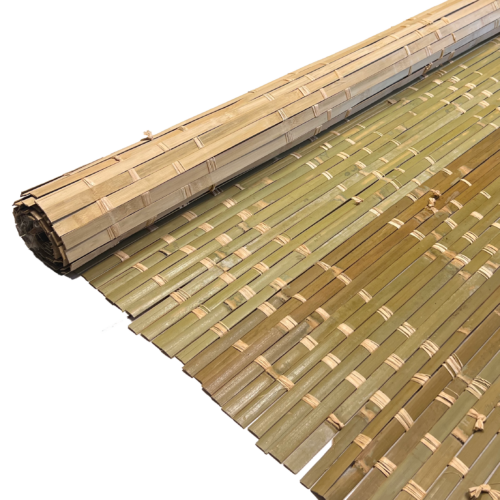
- Not Manufactured: Generally, manufactured or processed materials cannot be used as s’chach, even if they’re organic in origin. A notable exception is kosher bamboo s’chach mats specifically manufactured according to rabbinical specifications for use as sukkah coverings.
- Proper Support: The s’chach cannot be supported directly by materials that are ineligible to serve as s’chach themselves (like metal poles). In structures with metal frames, wooden or bamboo poles must be placed on top of the frame to directly support the s’chach. These are included with all Sukkah Project® metal sukkahs.
- Shade vs. Light Balance: The s’chach should be thick enough to provide more shade than sun during daylight hours but not so dense that stars cannot be seen through it at night.
- Natural State: The material must remain in a relatively natural state and not be bundled together with materials like wire or string.
Placement Rules for Your Sukkah
Where you build your sukkah matters just as much as how you build it:
- Open to the Sky: The most critical placement rule is that a sukkah must be built under open sky. It cannot be constructed under a tree, roof, awning, or any other overhead covering.
- Convenience: While not a halachic requirement, it’s practical to place your sukkah close to your home for easy access, particularly for bringing food to and from the sukkah for meals.
- Balconies and Decks: A sukkah can be built on a balcony or deck as long as there’s nothing overhead blocking the sky. Many Jews living in apartments successfully build small sukkahs on their balconies.
When to Build Your Sukkah
Timing is an important aspect of the mitzvah:
- After Yom Kippur: The ideal time to begin building your sukkah is immediately after Yom Kippur ends. This timing symbolizes moving from the solemn atonement of Yom Kippur straight into the joy of preparing for Sukkot.
- Completion Timeline: Ideally, you should complete building your sukkah on the day after Yom Kippur, though this is not always practical. At minimum, ensure it’s complete before the start of Sukkot.
- Dismantling: The sukkah should remain standing throughout the festival and is typically taken down after Simchat Torah (the holiday that immediately follows Sukkot).


Beautifying Your Sukkah
The concept of “Hiddur Mitzvah” (beautifying the commandment) applies strongly to the sukkah:
- Decorations: Adorning your sukkah with decorations is considered a mitzvah in itself. Traditional decorations include hanging fruits, vegetables, flowers, and artwork.
- Symbolic Elements: Many people hang pomegranates, grapes, and other harvest fruits as symbols of abundance and the agricultural aspects of the holiday.
- Lighting: Installing proper lighting makes the sukkah more inviting and practical for evening meals and gatherings.
Common Challenges and Solutions
Even with the best intentions, building a kosher sukkah can present challenges:
- Limited Space: For those with small yards or balconies, compact sukkah kits are available that can fit in tight spaces while still meeting all halachic requirements.
- Weather Concerns: In areas prone to strong winds or rain, ensure your sukkah has a sturdy frame and consider waterproof covers that can be quickly deployed over the s’chach during heavy rain (and removed when not actively raining).
- Construction Difficulties: For those not handy with tools, pre-fabricated sukkah kits offer a “klutz-proof” solution. Tubular sukkahs from The Sukkah Project® can be assembled in under an hour with no specialized tools.
Modern Innovations in Sukkah Design
Today’s sukkah builders benefit from modern innovations that make observing this ancient mitzvah easier:
- Tubular Metal Frames: These provide sturdy support and quick assembly compared to traditional wood framing.
- Specialized Fasteners: Many modern kits include specialized connectors and fasteners designed for annual assembly and disassembly.
- Kosher Bamboo Mats: Pre-made bamboo mats specifically designed for use as s’chach simplify roof construction while ensuring halachic compliance.
- Custom Sizing: Companies now offer custom-sized sukkah kits for unique spaces like apartment balconies or unusually shaped yards.
Final Thoughts
Building a sukkah is more than just following a set of rules—it’s participating in a tradition that connects Jews across time and space. The temporary nature of the sukkah reminds us of life’s impermanence and our reliance on divine protection. At the same time, the joyous celebration within the sukkah celebrates abundance, gratitude, and community.
Whether you choose to build from scratch using traditional methods or opt for a modern sukkah kit, the most important aspect is that your sukkah meets the basic halachic requirements while serving as a meaningful space for celebration during this festive holiday.
By following these guidelines, you can ensure your sukkah is not only kosher but also a beautiful and spiritual space for you and your family to fulfill the mitzvah of dwelling in the sukkah during the festival of Sukkot.
