
When is Rosh Hashanah 2027?
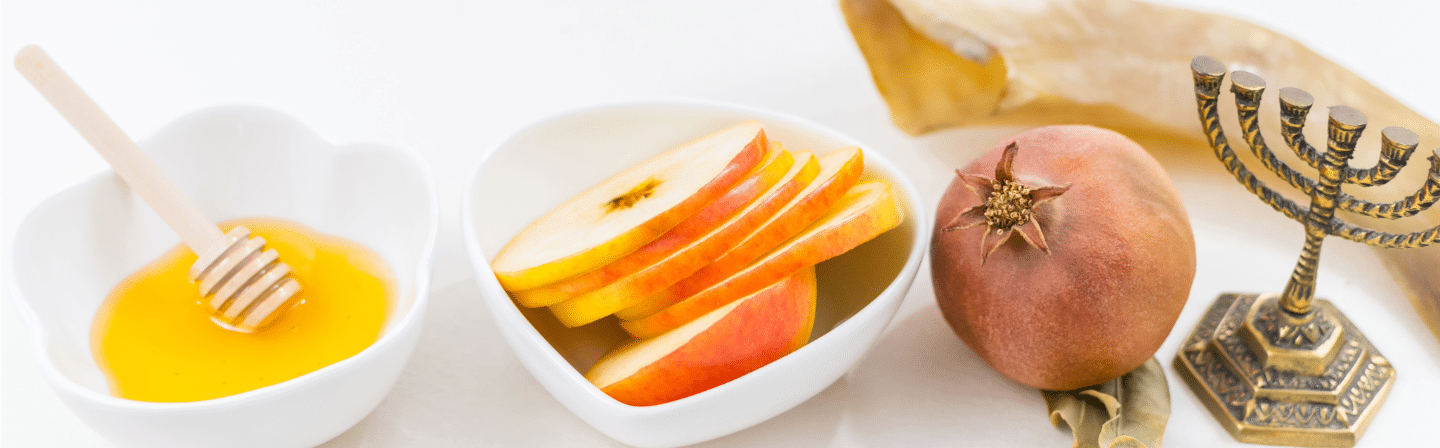
If you plan your year around the Jewish calendar—school breaks, time off work, when the sukkah comes out of the garage—2027 is going to feel strange. The High Holidays arrive about three weeks later than they did the year before, and Rosh Hashanah lands almost as late on the secular calendar as it is mathematically able to. Here are the dates, the candle lighting times, what changes because the first day falls on Shabbat, and why everything shifted so far into October.
When Is Rosh Hashanah 2027? The Short Answer
Rosh Hashanah 2027 begins at sundown on Friday, October 1, 2027, and ends at nightfall on Sunday, October 3, 2027. On the Hebrew calendar that's the 1st and 2nd of Tishrei, 5788.
- Erev Rosh Hashanah: Friday, October 1, 2027 (also Erev Shabbat)
- First day of Rosh Hashanah: Shabbat, October 2, 2027
- Second day of Rosh Hashanah: Sunday, October 3, 2027
- Holiday ends: nightfall Sunday, October 3
Like every Jewish holiday, it starts the evening before the date you'll see printed on a calendar. Jewish days begin at sunset, which is why "the 1st of Tishrei" and "October 2" don't line up the way a secular date would.
For comparison across nearby years:
- 2025: sundown Monday, September 22 – nightfall Wednesday, September 24 (details here)
- 2026: sundown Friday, September 11 – nightfall Sunday, September 13 (details here)
- 2027: sundown Friday, October 1 – nightfall Sunday, October 3
- 2028: sundown Wednesday, September 20 – nightfall Friday, September 22
Candle Lighting Times for Rosh Hashanah 2027
Candles are lit 18 minutes before sunset (40 minutes in Jerusalem, and some communities use different customs). Below are approximate times for Friday, October 1, 2027—the first night. Confirm against a local calendar or your shul's times.
- New York: 6:20 PM
- Chicago: 6:14 PM
- Los Angeles: 6:19 PM
- Miami: 6:49 PM
- Atlanta: 7:04 PM
- Denver: 6:24 PM
- Toronto: 6:41 PM
- Jerusalem: 5:44 PM
Second night is different. Because the first day is Shabbat, you can't light for the second night until Shabbat has ended—roughly 6:30 to 7:45 PM depending on where you live, again checking locally. And on Yom Tov you don't strike a match: the second night's candles are lit from a flame that was already burning since before Shabbat, so leave a long-burning candle or a pilot light going. Many families also put out a new seasonal fruit for the second night so the Shehecheyanu has something to attach to.
Why the Holidays Fall So Late in 2027
Twelve lunar months run about 354 days—roughly eleven days short of a solar year. Left alone, Rosh Hashanah would drift backward through the seasons until it landed in the spring, which the Torah doesn't allow: the festivals are tied to agricultural seasons. So the Hebrew calendar adds a thirteenth month, Adar I, seven times in every nineteen-year cycle.
The Hebrew year 5787—which began in September 2026—was one of those leap years, and a long one at that: 385 days. That's why Rosh Hashanah jumped from September 11, 2026 all the way to October 2, 2027, a full twenty days later. It's the same mechanism that pulls Tu BiShvat and every other holiday around the secular calendar, just at its most dramatic.
How late is late? Rosh Hashanah can never fall earlier than September 5 or later than October 5. In 2027 we land on October 2—within three days of the latest date possible in the entire cycle. Then the pendulum swings back: 5788 is an ordinary 355-day year, so Rosh Hashanah 2028 returns to September 20.
Rosh Hashanah on Shabbat: Four Things That Change
The first day of Rosh Hashanah 2027 is Shabbat, which changes the day in ways worth knowing before you're standing in the kitchen at 4:00 PM on Friday.
- No shofar on the first day. The rabbis suspended shofar blowing when Rosh Hashanah coincides with Shabbat, out of concern that someone might carry the shofar through a public domain to get it to an expert. In 2027 the shofar is sounded only on Sunday, October 3. If hearing the shofar is the part of the holiday your family cares most about, plan around Sunday morning.
- Tashlich usually moves. Most communities that would ordinarily go to the water on the first afternoon push Tashlich to the second day instead, largely for carrying reasons. Check what your shul is doing.
- All the cooking has to happen early. Here's the part people miss: an eruv tavshilin doesn't help you this year. It permits cooking on Yom Tov for Shabbat—not the other way around. Since Shabbat comes first in 2027, nothing for Sunday can be prepared on Saturday. Food for the second day can be cooked on Yom Tov itself from a pre-existing flame, but realistically that means most households cook everything Thursday and Friday.
- Friday afternoon is tight. Erev Rosh Hashanah is also Erev Shabbat, with the usual pre-Shabbat deadline and no grace period. Hatarat nedarim, the mikvah, visiting the cemetery, last-minute shopping—all of it has to fit before candle lighting.
One more date for the calendar: Ashkenazi communities begin Selichot on the night following Shabbat, September 25, 2027. Sephardic communities start much earlier, at the beginning of Elul in early September.
The Rest of the 5788 High Holiday Calendar
- Fast of Gedaliah: Monday, October 4, 2027 (dawn to nightfall)
- Yom Kippur: sundown Sunday, October 10 – nightfall Monday, October 11, 2027
- Sukkot: sundown Friday, October 15 – nightfall Friday, October 22, 2027
- Hoshana Rabbah: Friday, October 22
- Shemini Atzeret: sundown Friday, October 22 – nightfall Saturday, October 23
- Simchat Torah (Diaspora): sundown Saturday, October 23 – nightfall Sunday, October 24
A few consequences worth noticing. Yom Kippur falls on the second Monday of October—the federal holiday—which means many people won't need to take a vacation day, and traffic home on Sunday afternoon should be merciful. Sukkot's first day is also Shabbat, so the lulav and etrog aren't taken until Sunday, October 17, and your sukkah has to be completely finished before sundown on Friday, October 15. You cannot build, add schach, or hang a single decoration on Shabbat. In 2027 the usual "we'll finish it in the morning" plan is off the table. For the full picture, our guide to Sukkot dates and preparation walks through the same timeline in a more typical year.
What a Late October Sukkot Means for Building

Mid-October Sukkot is a different animal from mid-September Sukkot, and mostly in ways you can prepare for.
It will be colder and darker. Sunset on the first night is around 6:15 PM in the northern US, so evening meals happen in the dark. Budget for good lighting, and expect genuinely chilly nights up north—sweaters, blankets on the benches, hot soup as a strategy rather than a course. A sukkah that's pleasant at 55 degrees is one with walls that don't billow.
Wind and weather matter more. Late-October storms are a real factor across much of North America. This is the year to be honest about whether your walls can take a gust, which is exactly where most improvised structures fail—see our breakdown of using a pergola, gazebo, or pop-up canopy as a sukkah if you're considering one.
Falling leaves are not schach. If you build under a tree, October drop can pile up on your roof. It doesn't invalidate anything, but plan on sweeping. Our coverage guide by sukkah size will tell you how much schach you actually need to order.
The gap after Yom Kippur is a workweek. The four days between Yom Kippur and Sukkot fall Tuesday through Friday in 2027—no weekend to build in. Order early enough that the kit is sitting in the garage waiting for a free afternoon.
If you're starting from scratch, our guide to buying a sukkah online covers what separates a kit you'll use for twenty years from one you'll replace in three. And if you just want to know what the halacha actually requires before you spend anything, start with the minimum requirements for a kosher sukkah—it's a shorter list than most people assume.
The Short Version
Rosh Hashanah 2027 runs from sundown Friday, October 1 through nightfall Sunday, October 3. The first day is Shabbat, so the shofar waits until Sunday, Tashlich probably moves, and every bit of cooking needs to be finished before Friday's candle lighting. Yom Kippur is October 10–11, Sukkot begins the evening of October 15, and the whole season sits about three weeks later than you're used to because 5787 was a leap year.
Practically speaking: it's a late, cool, dark-in-the-evenings Sukkot, and a good year to have a sukkah that stands up to weather. Questions about sizing, schach, or what fits your yard? Call us at 844-4-SUKKOT (844-478-5568)—we've been doing this for over thirty years, and we'd rather talk you into the right sukkah than the biggest one.

3 Responses