
When is Tu BiShvat 2027?
Dates, the Seder of Fruits, and What the New Year for Trees Means
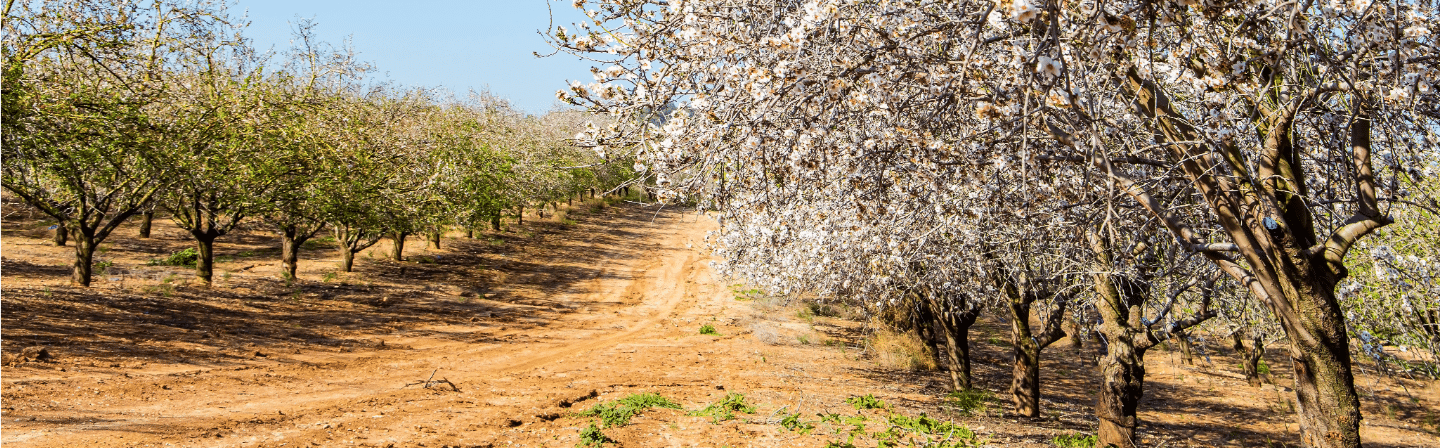
Every January the calendar hands us a small, quiet holiday that most people can't quite place. No fast, no synagogue marathon, no dishes to kasher. Just fruit, a few blessings, and an idea of upcoming growth: somewhere under the frozen ground, the trees have already started their new year. Here are the 2027 dates, what the day actually commemorates, and how to put together a seder your family will look forward to—without turning it into a project.
When Is Tu BiShvat 2027? The Short Answer
Tu BiShvat 2027 begins at sundown on Friday, January 22, 2027, and ends at nightfall on Saturday, January 23, 2027. On the Hebrew calendar that's the 15th of Shevat, 5787.
In 2027, Tu BiShvat falls on Shabbat. That's not a problem—there's nothing about the day that conflicts with Shabbat—but it does mean the food has to be ready before candle lighting on Friday afternoon. More on that below.
For context, here's how the date drifts across nearby years:
- 2026: sundown Sunday, February 1 – nightfall Monday, February 2
- 2027: sundown Friday, January 22 – nightfall Saturday, January 23
- 2028: sundown Friday, February 11 – nightfall Saturday, February 12
Like every Jewish holiday, Tu BiShvat starts the evening before the calendar date you'll see printed. Jewish days begin at sunset, which is why "the 15th of Shevat" and "January 23" don't quite line up the way a secular calendar would suggest.
Why the Date Moves Around So Much
Tu BiShvat lands anywhere from mid-January to mid-February depending on the year, and the reason is the same reason Passover sometimes falls in late March and sometimes in late April. The Hebrew calendar is lunisolar: months follow the moon, but the year is periodically corrected to stay in step with the sun. Seven years out of every nineteen get a leap month—a second Adar—which nudges everything after it forward.
5787 is one of those leap years. Since the extra month comes after Shevat, Tu BiShvat itself arrives early in the secular year (January 23), and the spring holidays get pushed late: Purim falls on March 23, 2027, and Passover doesn't begin until the evening of April 21, 2027. If you've ever wondered why some years feel like they have an endless winter between Chanukah and Pesach, this is why.
The New Year for Trees—and Why a Tree Needs a New Year
The Mishnah opens the tractate Rosh Hashanah with a surprising line: there are four new years. The first of Nisan for kings and festivals, the first of Elul for tithing animals, the first of Tishrei for years and sabbatical cycles—and the fifteenth of Shevat for trees. (Beit Shammai argued for the first of Shevat; we follow Beit Hillel, which is why the day is Tu—the letters tet and vav, fifteen.)
Originally this was accounting, not celebration. Several agricultural laws depend on knowing which year a fruit belongs to: orlah, which forbids fruit from a tree's first three years; the tithing cycles, which rotate on a seven-year schedule and can't be mixed across years. Someone had to draw a line and say fruit that sets after this date belongs to the next year. Mid-Shevat is when most of the winter rains in the Land of Israel have fallen and the sap begins to rise—the almond trees are usually the first to bloom—so that's where the line went.
What began as a fiscal boundary became something warmer: a day to notice trees, eat their fruit, and say the blessings we usually rush through. There's no obligation to do anything at all on Tu BiShvat. That's part of its charm.
The Seder of Fruits: Where It Came From
The Tu BiShvat seder is not ancient. It comes from the kabbalists of sixteenth-century Tzfat, the circle around the Arizal, and was popularized by a small anonymous work called Pri Etz Hadar—"Fruit of the Goodly Tree," a phrase lifted straight from the Torah's description of the etrog.
The structure borrows from the Passover seder: four cups of wine, drunk in order, shading from white to red—white for winter dormancy, a blush for the first stirrings, then deeper red for growth and harvest. Each cup corresponds to one of the four kabbalistic worlds: Asiyah (action), Yetzirah (formation), Beriah (creation), and Atzilut (emanation), moving from the most physical to the most abstract.
The fruits follow the same logic, in three tiers:
- Fruits with a hard, inedible shell—walnuts, almonds, pistachios, pomegranates, coconut. The protected world, where the good is guarded by a tough exterior.
- Fruits edible outside with a pit inside—dates, olives, cherries, apricots, plums, peaches. Softer, but still holding something hard at the center.
- Fruits eaten whole—figs, grapes, berries, apples, carob, etrog. Nothing wasted, nothing hidden.
The fourth world gets no fruit at all. It's represented by fragrance, or by silence—whatever can't be eaten.
Woven through it all are the Seven Species by which the Torah praises the land: wheat, barley, grapes, figs, pomegranates, olives, and dates. Many seders build the fruit plate around these seven and add whatever else looks good at the market.
How to Host One in 2027 (Shabbat Edition)
Because Tu BiShvat falls on Shabbat this year, the simplest approach is also the best one: fold it into Friday night dinner. You already have candles, wine, challah, and people sitting down together. Add a fruit course and you have a seder.
- Prepare everything Friday afternoon. Wash, slice, arrange. Nothing should require cooking, squeezing, or sorting once Shabbat begins.
- Use the Kiddush wine as cup one. Then pour three more across the meal, shifting from white toward red. Grape juice works identically for kids and for anyone who'd rather not.
- Three plates, three tiers. Shelled fruits, pitted fruits, whole fruits. Put them out in that order and let the progression do the teaching.
- Reach for a new fruit. Something nobody at the table has eaten this season, so you can say shehecheyanu with a straight face.
- Keep it to forty minutes. A few verses, a few blessings, a question or two around the table. Tu BiShvat seders go wrong when they try to be Pesach.
Saturday afternoon works just as well—seudah shlishit with a fruit plate is a lovely, low-effort version if Friday night is already full.
The Sukkot Connection
This is our favorite part, and it's the reason a sukkah company has any business writing about a January holiday.
There's a long-standing custom to eat etrog on Tu BiShvat—usually as preserves, candied peel, or jam made from the etrog you held during Sukkot four months earlier. The stated intention is a prayer for a beautiful, kosher etrog next year. The practical effect is that your Sukkot and your Tu BiShvat are literally the same piece of fruit. If you've been staring at a shriveling etrog on the windowsill since October, wondering whether it's edible, we wrote a whole piece on what an etrog actually tastes like and what to do with it, along with some recipes.
There's a second thread, too. Both holidays ask you to sit with plant material and pay attention—schach is cut branches, Tu BiShvat is cut fruit—and both push against the instinct to treat nature as scenery. Many families plant a tree around Tu BiShvat for that reason; in Israel it's practically a national pastime.
If the dried fruit on your seder table looks suspiciously like a garland, you're onto something. Strings of dried apples, figs, and citrus are among the oldest sukkah decorations there are—and the time between January and September is a good stretch for drying fruit slowly.
Looking Ahead to Sukkot 5788
Since 5787 is a leap year, the fall holidays arrive late: Rosh Hashanah begins the evening of October 1, 2027, Yom Kippur on October 10, and Sukkot begins at sundown on Friday, October 15, 2027, with the first day falling on Shabbat. That's nine months away from your Tu BiShvat table—which is, not coincidentally, about how long a tree takes to turn a blossom into fruit.
We mention it because the people who enjoy Sukkot most are almost always the ones who decided on it early. If this is the year you stop borrowing a neighbor's sukkah, our guide to buying a sukkah online walks through sizes, materials, and the questions worth asking before you order. If you're not sure what you actually need to build, start with the minimum requirements for a kosher sukkah—it's less than most people assume.
And if you know a family who'd have a sukkah if cost weren't in the way, Tu BiShvat is a fitting season to mention The Sukkah Foundation. Planting something you won't personally sit under is very much the spirit of the day.
However you mark it—a full seder, or just a bowl of dates and a blessing said slowly—chag sameach from all of us at The Sukkah Project. Questions about anything above, or about sukkahs in general: contact us!

One Response